Aesthetic procedures have become increasingly popular as more people seek safe, effective ways to enhance their appearance and boost confidence. But beneath the soothing creams and comfortable treatment rooms lies sophisticated science and precision technology. Understanding how these procedures work beneath the surface helps demystify them and allows people to make informed choices about their care.
This article breaks down the layers of aesthetic treatments, such as what happens at the cellular level, how technology interacts with the body, and why results can be both subtle and transformative.
- Skin Anatomy: The Foundation
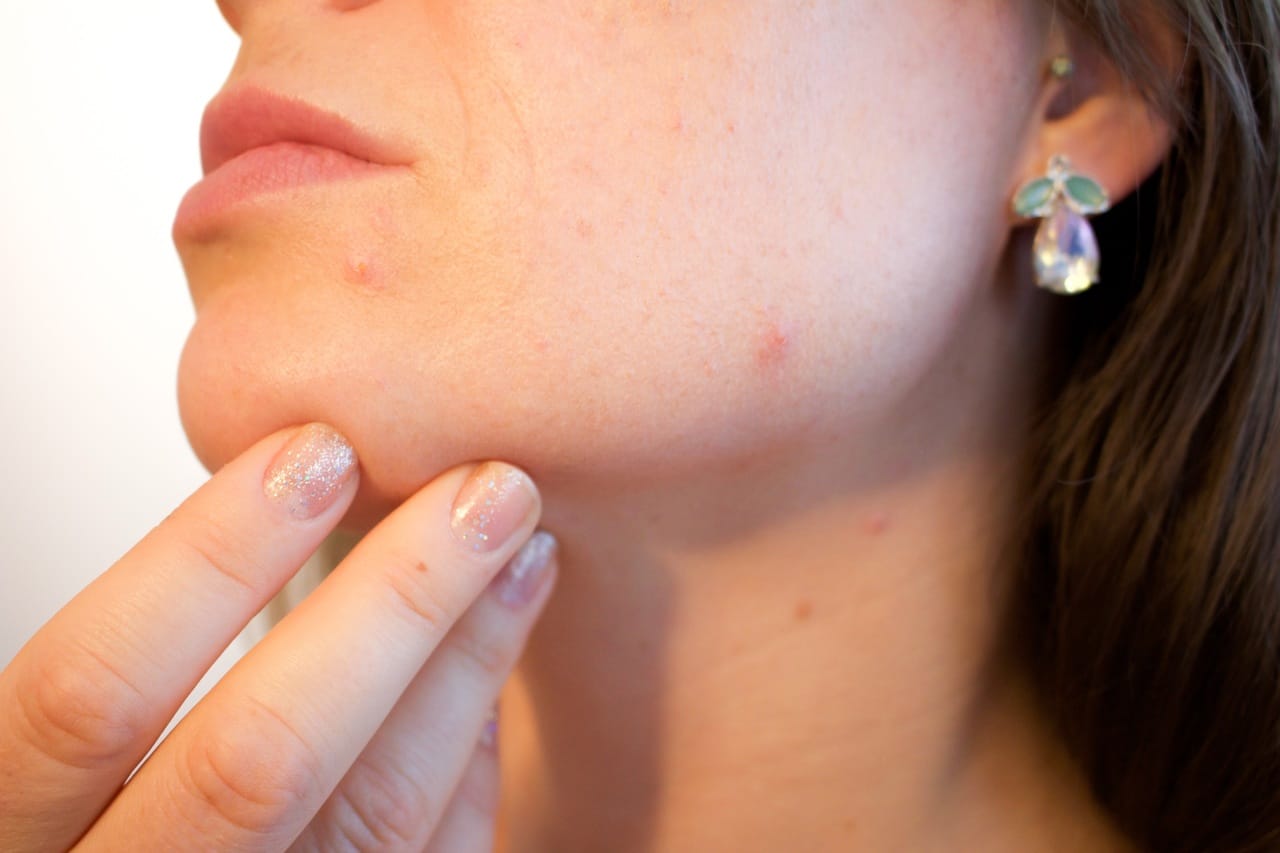
To understand how aesthetic procedures work, it helps to start with basic skin anatomy. The skin has three principal layers:
- Epidermis: the outermost layer, providing a protective barrier
- Dermis: a deeper layer containing collagen, elastin, blood vessels, and nerve endings
- Subcutaneous Tissue: the deepest layer of fat and connective tissue
Many procedures target specific layers depending on the concern, whether that’s fine lines, pigmentation, laxity, or volume loss.
- Stimulating the Body’s Natural Processes
Many modern aesthetic treatments harness the body’s healing mechanisms. Instead of simply “fixing” the appearance, they encourage the body to regenerate and repair itself:
Collagen Production
As we age, collagen and elastin (proteins that give skin firmness and elasticity) naturally decrease. Treatments such as microneedling, radiofrequency (RF), and certain laser therapies create controlled micro-injuries or thermal stimulation. These cues prompt the skin to produce new collagen and remodel existing fibers, improving texture and firmness from within.
Cellular Renewal
Exfoliation and resurfacing procedures enhance the skin’s natural turnover process. Chemical peels and laser resurfacing remove damaged outer layers, revealing fresher, healthier skin beneath. Over time, this supports smoother texture, more even tone, and reduced appearance of fine lines.
- Targeted Energy Delivery
Advanced aesthetic technologies deliver precise energy, like light, heat, sound, or electrical pulses, to specific tissues:
Lasers
Lasers emit concentrated light energy that’s absorbed by particular targets such as water, melanin (pigment), or hemoglobin (blood). Depending on wavelength and settings, lasers can:
- Break up pigmentation
- Stimulate collagen
- Target blood vessels
- Vaporize unwanted tissue
Because the energy is highly controlled, surrounding tissues remain unharmed.
Radiofrequency (RF)
RF devices generate heat in deeper layers without damaging the surface. This heat encourages collagen tightening and production. RF is commonly used to improve laxity in areas like the face, neck, and body.
Ultrasound
Ultrasound energy (used in treatments like Ultherapy) reaches deep structural layers beneath the skin. It creates micro-focused thermal zones that stimulate deep tissue tightening and collagen renewal.
- Soft Tissue Modulation
Some procedures work by adding or modifying soft tissue:
Injectable Fillers
Dermal fillers are substances (most often hyaluronic acid) injected beneath the surface to restore volume, smooth lines, or enhance features like lips and cheeks. They physically occupy space and attract water, giving plumpness and contour. Over time, some fillers also influence collagen production. Clinics like dermani MEDSPA® embody this blend of science and expertise, offering advanced aesthetic solutions tailored to individual goals.
Neuromodulators
Neuromodulators such as botulinum toxin temporarily reduce muscle activity in specific areas. By relaxing dynamic muscles, they soften expression lines and prevent deeper creasing over time.
- Fat and Contour Treatments
Not all aesthetic procedures work on skin alone. Some target the fat layer beneath:
Non-Surgical Fat Reduction
Technologies like cryolipolysis (fat freezing) or certain heat-based systems work by selectively affecting fat cells. For example, cryolipolysis cools fat cells to a temperature that triggers natural elimination, while preserving surrounding tissues.
Body Contouring
Energy-based devices can remodel tissue architecture and tighten skin over larger areas, improving overall body contour without invasive surgery.
- Safety and Precision
Aesthetic technologies are designed with safety mechanisms such as:
- Real-time temperature monitoring
- Adjustable depth of energy delivery
- Cooling systems to protect surface skin
- Customized treatment settings based on skin type and concern
This precision ensures that procedures are effective while minimizing discomfort and downtime.
Conclusion
At their core, aesthetic procedures work by gently guiding and enhancing the body’s natural biology. Whether through stimulating collagen, delivering targeted energy, adjusting soft tissue, or refining surface texture, these treatments go beyond surface change to affect meaningful improvement beneath the skin.
Understanding how they work not only demystifies the process but also highlights the thoughtful science behind modern aesthetic care. With knowledge, individuals can approach their choices with clarity, confidence, and inspiration.