Golden Globes 2026 opens the awards season with a high-energy mix of movies, television, and now podcasts. The show matters because it shapes what the world watches next. A nomination pushes titles onto watchlists. A win boosts streaming demand, cinema interest, and global conversation. The Globes also feels different from other awards because it celebrates film and TV on the same night. That structure keeps the pace quick and the tone entertaining.
People also love the Globes because it works like a cultural snapshot. It highlights what audiences discussed all year, from prestige dramas to breakout comedies. It can also surface international work that viewers missed. For many people, the ceremony becomes a shortcut to the year’s most talked-about stories.
In 2026, the Globes expanded its definition of mainstream entertainment. It adds a Best Podcast award for the first time. That change reflects how audiences consume creators, interviews, comedy, and news today.
If you want to enjoy Golden Globes 2026, you don’t need deep industry knowledge. You only need a simple plan: learn the date, scan the nominees, and treat the night as discovery. You will finish the show with a stronger watchlist and a clearer sense of the year’s biggest entertainment moments worldwide.
Date, venue, and broadcast basics for Golden Globes 2026
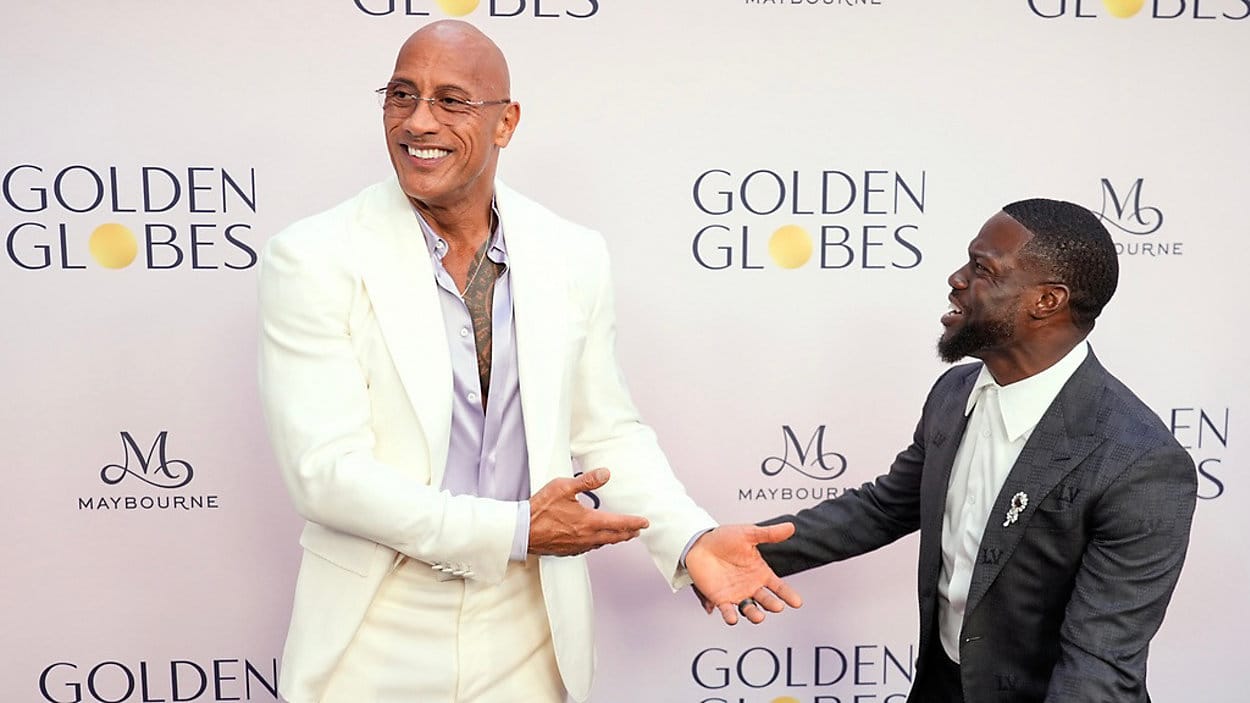
Golden Globes 2026 takes place on Sunday, January 11, 2026. The event returns to The Beverly Hilton in Beverly Hills, California. CBS will broadcast the ceremony live in the United States from 8:00–11:00 PM ET / 5:00–8:00 PM PT. Paramount+ will stream the show in the U.S.
These basics help global readers plan. Viewers in Europe often watch after midnight. Viewers in South Asia often watch early the next morning. If you care about spoilers, you should mute keywords on social media or watch live.
The official Golden Globes timetable also matters because it shows how the season moves. The Globes announced nominations on December 8, 2025. Final ballots went out on December 19, 2025, and voting closed on January 3, 2026.
This timeline explains why campaigning peaks in December. Studios and platforms push interviews, screeners, and visibility when voters focus.
If you write for a worldwide audience, lead with date, venue, and viewing method. These details answer the biggest search intent instantly. They also help readers understand that Golden Globes 2026 celebrates eligible work from 2025, not content released in 2026.
How to watch Golden Globes 2026 worldwide
Golden Globes 2026 airs on CBS in the U.S. and streams on Paramount+ in the U.S. That covers the largest single broadcast market. Outside the U.S., viewing depends on local distribution and broadcast partners. Because rights vary, you should check your country’s TV listings and streaming apps close to the event date.
If you watch from the UK or Europe, the ceremony typically lands in the early morning hours. If you watch from Pakistan, India, or nearby regions, you often see the show at sunrise the next day. Many viewers choose highlights instead of staying awake. That approach still works because official clips and news recaps appear quickly.
- To enjoy the night without confusion, do three things. First, open the nominees list earlier and pick a few categories you care about.
- Second, create a short watchlist for titles you haven’t seen.
- Third, decide your spoiler strategy. Live viewers can enjoy real-time reactions. Replay viewers can enjoy the show later with fewer interruptions.
Golden Globes 2026 moves fast, so preparation helps. A simple “top ten titles to watch” list makes the show more fun. If you watch with friends, print a predictions sheet. That small activity keeps everyone engaged, even when a category features unfamiliar titles.
Host and tone: Nikki Glaser returns in 2026
Golden Globes 2026 will feature Nikki Glaser as the host. CBS and the Golden Globes confirmed her return.
A returning host reduces risk for a live show. The production team already knows the rhythm that works. Writers can build a sharper monologue. The host can also adjust based on last year’s audience feedback.
- Glaser brings a stand-up background, which usually helps pacing. Comedy creates clean transitions between awards. It also keeps the room relaxed.
- Awards nights can feel tense because nominees carry pressure. A strong host lowers that tension and keeps speeches flowing.
- Viewers at home also benefit. The host acts like a guide. She explains the vibe and keeps the broadcast watchable.
In 2026, the host’s job becomes even more important because the show spans more formats. The Globes now includes podcasts alongside film and television. That mix expands the guest list and the audience. The host must connect with people who follow Hollywood stars and people who follow creator-led media. A smart monologue can bridge that gap.
If you cover Golden Globes 2026, treat the host as a key storyline. The opening minutes shape social media reaction. A single line can trend worldwide. A strong host performance can lift the entire event’s reputation.
How nominations happened for Golden Globes 2026
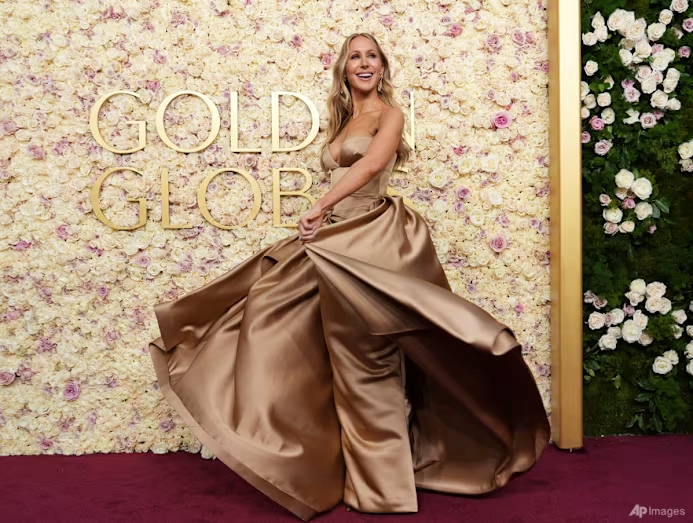
Golden Globes 2026 nominations arrived on Monday, December 8, 2025. That announcement day matters because it sets the season’s first big scoreboard. Studios update marketing assets. Streamers highlight nominated titles. Talent teams schedule interviews. The list becomes a watch guide for the holidays.
The official timetable also shows how nominations fit into the larger process. The Globes collects nomination ballots, announces nominees, then sends final ballots. Voters then choose winners before the ceremony.
This structure helps explain why you often see intense press coverage in December. Media outlets publish deep dives, “snubs” debates, and front-runner predictions. Campaign teams also use that period to push visibility.
For the new podcast category, the Globes built a new pipeline. It opened podcast submissions, published eligibility notes, and then moved toward nominations and final voting. This first-year setup matters because it sets expectations. In year one, the Globes aims for clarity and credibility. It doesn’t want confusion around what qualifies.
If you write a global guide, keep nomination coverage simple. Highlight the nomination date, explain that nominees represent eligible work, and tell readers to use the list as a discovery tool. This approach serves both awards fans and casual readers.
Voting and governance: who decides the winners
People often ask, “Who picks the winners?” Today, the Golden Globes uses a broad voting body and emphasizes international entertainment journalists. This setup aims to reflect global viewing habits, not only one market’s taste.
The Globes also runs with a published timetable and eligibility rules. That public documentation matters because it builds trust. Readers can see deadlines for ballots and final voting. When an award show publishes rules, it reduces guesswork. It also helps explain why some fan favorites miss nominations. Sometimes a title misses eligibility windows or submission requirements.
- For viewers, voting details matter in one practical way. They shape outcomes. A global voting body can reward titles that travel across cultures. International storytelling, strong performances, and widely accessible themes can perform well.
- That does not mean “only international work wins.” It means the pool considers wider tastes.
- For writers, keep governance language clean and neutral.
- Avoid long politics. Focus on what readers need: a structured process, published guidelines, and a voting body designed for international credibility. The results then appear on ceremony night, live, with winners announced category by category.
Golden Globes 2026 sits at the start of the season. That timing boosts its influence. Many voters for later awards watch the results. Many audiences treat winners as “must-watch” picks.
Eligibility rules and key deadlines in simple language
Golden Globes 2026 follows published eligibility rules and deadlines for film, television, and podcasts. The official timetable shows major milestones: nominations announced on December 8, 2025, final ballots sent December 19, 2025, and final ballots due January 3, 2026.These dates matter because they shape campaigning and press.
The Globes also publishes submission windows. For example, the submission website opened for motion picture and television entries on August 1, 2025, and the Globes opened podcast entries on October 2, 2025. The deadline for motion picture, television, and podcast submissions was October 31, 2025.
This timeline explains why some late-year releases rush to meet requirements.
Eligibility rules exist to keep competition fair. A film must meet release and availability conditions. A TV series must meet episode and distribution conditions. A podcast must meet the Globes’ defined criteria for the new award.
You don’t need every clause in a general article. You only need the idea: the Globes uses deadlines, windows, and categories to ensure consistency.
Film categories explained: why the Globes feel different
Golden Globes 2026 organizes its top film prizes into two headline lanes: Drama and Musical or Comedy. This split makes the Globes feel different from awards that crown one best picture. It also creates more variety at night. Two “best picture” races means more tension, more winners, and more conversation.
The split also creates debate. Some films blend genres. That debate returns every year because modern storytelling rarely stays in one box. Still, the structure helps audiences. If you want serious storytelling, watch the drama list. If you want lighter entertainment, watch the musical or comedy list.
- Beyond best picture, the Globes awards director, screenplay, acting, and craft categories like score and song.
- These categories help viewers discover titles that don’t dominate mainstream marketing. A screenplay nomination often signals strong writing.
- A score nomination often signals mood and cinematic quality. An acting nomination often signals a performance worth watching even if the film feels niche.
Golden Globes 2026 also highlights international cinema through non-English language recognition. This global emphasis fits the Globes brand identity. It also serves readers worldwide, who may prefer films from their region or language.
If you want to follow film winners easily, track three things: best picture lanes, best director, and lead acting winners. Those results usually define the film story of the night.
Television categories explained: drama, comedy, and limited series
Golden Globes 2026 covers television in a way that matches modern viewing. It recognizes top series and standout performances across major formats. The Globes typically divides TV into drama, musical or comedy, and limited series or anthology work. That separation helps viewers navigate a world of endless streaming choices.
Drama series awards often spotlight prestige storytelling and long arcs. Comedy awards often spotlight performance timing and ensemble chemistry. Limited series awards often spotlight short, high-impact stories that end cleanly. That format has grown because platforms love event viewing and bingeable arcs.
The Globes also awards acting categories for TV. These awards matter because a single actor can pull global audiences into a series. Many viewers decide what to watch based on performances, not network brands. A nomination can push a series into trending lists worldwide.
For global readers, explain TV categories with a simple benefit: they act like filters. With hundreds of releases each year, viewers need signals. The Globes provide signals. The nominees list often becomes a “what to watch next” menu.
If you want to prepare for Golden Globes 2026 TV coverage, do this: pick one drama nominee, one comedy nominee, and one limited-series nominee. Watch one episode of each before the ceremony. This small effort will make the winners feel meaningful. It will also turn the night into discovery, not confusion.
What’s new in Golden Globes 2026: the first Best Podcast award
Golden Globes 2026 introduces Best Podcast for the first time. This change matters because it expands what the Globes considers “mainstream entertainment.” Podcasts now compete with TV for attention. They drive celebrity interviews, comedy communities, and even breaking news habits. By adding podcasts, the Globes acknowledges where audiences spend time.
The Globes built structure for year one. It opened podcast submissions and placed podcasts inside the official timetable alongside television deadlines. That move signals long-term intent. The Globes doesn’t treat podcasts as a one-time novelty. It treats them as a serious lane.
The new award also changes the ceremony vibe. Podcast hosts and creators bring a different style of fame. Their communities engage strongly online. That can increase social buzz during the show. It can also pull in viewers who might not care about film awards.
This category also raises a fair question: how do you compare very different podcast formats? Interviews, comedy, advice, and news all operate differently. In year one, the Globes seems to favor broad cultural visibility and recognized brands. That makes sense as a starting point. A first-year category needs clarity for viewers.
Golden Globes 2026 will test how audiences react. If the category performs well, it may grow in future seasons. Other awards bodies may copy it.
Best Podcast nominees: what they represent (2026)
Major reporting lists six nominees for the first Golden Globes Best Podcast award:
- “Armchair Expert with Dax Shepard,”
- “Call Her Daddy,”
- “Good Hang with Amy Poehler,”
- “The Mel Robbins Podcast,”
- “SmartLess,”
- NPR’s “Up First.”
Together, they represent a wide slice of podcast culture.
- “Armchair Expert” and “SmartLess” reflect celebrity conversation at scale. They rely on familiar guests, strong chemistry, and global name recognition.
- “Call Her Daddy” reflects creator-led franchise power, with a loyal community and heavy social reach. “Good Hang” represents personality-driven comedy and hangout energy.
- “The Mel Robbins Podcast” represents advice content that people consume like daily coaching.
- “Up First” represents high-frequency journalism that shapes how people start their day.
This range matters for a global audience. Many readers may not listen to podcasts regularly. This list shows that podcasts now cover the same lanes as TV: interviews, comedy, lifestyle, and news. It also shows how audio builds brands.
For Golden Globes 2026, this category will likely produce a different kind of speech. Podcast creators often speak directly to their audience. They often build community language. That style can feel fresh beside traditional Hollywood acceptance speeches.
The red carpet: why it drives global attention

Golden Globes 2026 will generate global attention long before the first award. The red carpet acts like a separate show. It delivers instant visuals, interviews, and style moments that travel across countries in minutes. Fashion coverage also creates a gateway for viewers who don’t follow awards closely. Some people tune in for film wins. Others tune in for style.
The red carpet also has an industry function. Designers dress stars for visibility. Stylists shape narratives through looks. Jewelry brands and fashion houses get worldwide impressions. This marketing engine supports the entire event.
For a fact-focused article, keep red carpet language simple. Describe silhouettes, colors, and styling choices in plain terms. Avoid insider jargon. Link looks to themes when you can. For example, a classic look can signal “old Hollywood.” A bold look can signal “social-first celebrity culture.”
In 2026, you may also see a broader style range because the guest mix broadens. Podcast creators may appear alongside actors and directors. That blend can create a more varied carpet, with less uniform “award-season” style and more personality-driven fashion.
What happens on ceremony night: format, pacing, and moments
Golden Globes 2026 usually follows a clean live-show structure. It starts with arrivals and a pre-show. It then moves into an opening monologue. After that, the broadcast cycles through presenter segments and award announcements. The Globes mixes film and television awards, which keeps the pace lively. You don’t sit through long blocks of one topic.
The room setup also changes the mood. Guests sit at tables, not in rows. That creates a party feel. It also creates candid reactions. Cameras can cut quickly to a nominee’s face. That reaction often becomes a viral clip the next morning.
Live shows also create surprises. You may see a presenter stumble and recover. You may see a winner cry, joke, or freeze. You may see a speech run long. In those moments, the host’s skill matters. A good host keeps the show moving without killing the mood.
For viewers, the best way to follow the night is to track a few categories and enjoy the rest as entertainment. If you try to track everything, you may feel lost. If you track a handful, you will feel engaged and still enjoy spontaneous moments.
Golden Globes 2026 will also include the new podcast category. That addition can create new types of presenters, new fan reactions, and a fresh lane for online debate.
Why Golden Globes wins change careers and campaigns
Golden Globes 2026 winners will use the trophy as a marketing tool within hours. Studios and platforms add “Golden Globe winner” to posters, trailers, and thumbnails. That label acts like social proof for undecided viewers. It can push a film into a bigger box-office weekend. It can push a series into trending charts.
For performers, a win can change perception quickly. Casting teams notice awards momentum. Media outlets profile winners. Fans follow their next project with more interest. Even a nomination can help a career, especially for new talent.
For television, the impact can feel even stronger. A series can gain millions of new viewers after a major win. Streaming platforms often surface winners prominently.
For podcasts, Golden Globes 2026 will test awards impact in audio. If a podcast wins, expect a measurable spike in downloads and subscriptions. Podcast communities respond fast. They share clips. They post reactions. They recruit new listeners.
This influence explains why the Globes matters early in the season. It sets the mood and the narrative. It can also reshape predictions for later awards. Even if you don’t follow industry strategy, you will see the effect immediately: the winners will dominate entertainment headlines worldwide.
Production and the CBS telecast: why it matters to viewers
Golden Globes 2026 airs on CBS, which shapes how the show feels. A major broadcast network pushes mainstream pacing. It must manage ad breaks, timing, and live coordination. That structure usually creates a faster rhythm than some longer awards ceremonies.
Broadcast choices also influence global attention. CBS coverage drives U.S. ratings. Those ratings influence international coverage. Many global outlets follow U.S. broadcast timing and publish live blogs and winner lists as the show happens. That’s why spoilers spread so quickly.
Streaming on Paramount+ also matters. It reflects how modern audiences watch major events. Some viewers now prefer streaming even when they have TV. Streaming also helps international audiences understand the direction of distribution, even if their local platform differs.
From a viewer perspective, production choices affect the experience in three ways. First, camera work shapes emotion. Close-ups capture reactions. Second, stage management shapes pacing. Third, sound mixing shapes speeches and jokes. A clean mix keeps the show watchable.
If you watch in a different country, you may rely on highlights or licensed coverage. The CBS telecast remains the core feed that other outlets reference. That makes the U.S. broadcast details relevant even for global readers who watch indirectly.
Reputation and reforms: the modern Golden Globes context
The Golden Globes faced serious scrutiny earlier in the decade. Since then, the organization has emphasized a more structured and rule-driven approach. In 2026, you can see that emphasis through published eligibility guidelines and a clear timetable.
This matters because trust supports participation. Studios submit work when they believe the process is stable. Talent attends when they believe the brand carries value.
A modern awards show must also serve a global audience. The Globes aim for international relevance. It recognizes global storytelling. It also highlights categories that connect with wider viewing habits, such as the new podcast award. That expansion can strengthen the show’s cultural role.
Golden Globes 2026 will still spark debate. Awards always spark debate. People argue about genre placement. People argue about snubs. People argue about winners. Debate doesn’t reduce value. Debate often increases attention. The key is to keep coverage fair, fact-based, and respectful, especially for a worldwide readership.
How to use Golden Globes 2026 as a global watchlist
Golden Globes 2026 can improve your entertainment year if you use it as a watchlist tool. Start with the top categories. Pick one film from drama and one film from musical or comedy. Then pick one TV drama and one TV comedy. This “four-title plan” gives you variety without overload.
Next, use acting nominees as shortcuts. If you trust performances, acting categories lead you to strong content fast. Then use craft categories to find hidden gems. A screenplay nomination can signal high storytelling quality. A score nomination can signal a strong cinematic mood.
For global audiences, prioritize accessibility. Choose titles available in your region on major platforms. If a nominated film doesn’t exist in your market yet, add it to a “later” list. Many titles roll out internationally after awards attention.
You can also include the podcast nominees as low-effort discovery. One podcast episode takes less time than a film. That makes the new category useful for busy readers.
If you watch with family or friends, split the watchlist. Each person watches one nominee and shares a short review. This turns awards season into a social experience. Golden Globes 2026 works best when it feels like fun discovery, not homework.
How to enjoy Golden Globes 2026 without stress
Golden Globes 2026 becomes more enjoyable when you keep expectations simple. You won’t watch every nominee before the show. Most people won’t. You can still enjoy the event. Focus on the mood, the speeches, and the surprises. Use the show to build curiosity, not to prove expertise.
Try a simple viewing plan. Pick five categories to track. Write down your predictions. Then relax and watch what happens. When a winner surprises you, add it to your watchlist. This approach turns shock into discovery.
If you watch in a region where the show airs late or early, choose the best format for your life. You can watch live, watch a replay, or watch highlights. All three options can feel satisfying. If you watch highlights, you will still catch major wins, monologue moments, and emotional speeches.
You can also enjoy the show in parts. Watch the opening, then catch the last hour later. Many viewers do this when time zones clash with work or school.
Golden Globes 2026 also includes the first podcast award. That category may pull in new fans and create fresh online conversation.
Treat that new lane as a bonus. It shows how entertainment evolves. Most importantly, enjoy the night as a shared global moment.
Faqs About Golden Globes 2026
When is the Golden Globes 2026?
Sunday, January 11, 2026.
Who is hosting Golden Globes 2026?
Nikki Glaser will host.
Where will the ceremony take place?
At The Beverly Hilton in Beverly Hills, California.
Who is nominated for a Golden Globe in 2026?
Unsurprisingly, topping the list of nominees is Paul Thomas Anderson’s One Battle After Another, with nine nods, closely followed by Joachim Trier’s Sentimental Value with eight, Ryan Coogler’s Sinners with seven, and Chloé Zhao’s Hamnet with six. On the TV front, meanwhile, The White Lotus scored six, with Adolescence on its tail with five.
Which podcasts got nominated (Best Podcast)?
The six nominees include “Armchair Expert,” “Call Her Daddy,” “Good Hang,” “The Mel Robbins Podcast,” “SmartLess,” and NPR’s “Up First.”
Wrap-up
Golden Globes 2026 brings movies, television, and podcasts into one global entertainment night. It aired on January 11, 2026, from The Beverly Hilton, with Nikki Glaser hosting on CBS and streaming on Paramount+ in the U.S.
Use the nominees as your personal watch guide. Pick a few categories, discover new titles, and let the winners shape what you watch next.
The new Best Podcast award adds fresh energy and new audiences. Whether you watch live, replay, or highlights, treat Golden Globes 2026 as a fun discovery that connects viewers worldwide.